Understanding How Business Prices Are Affected by Inflation
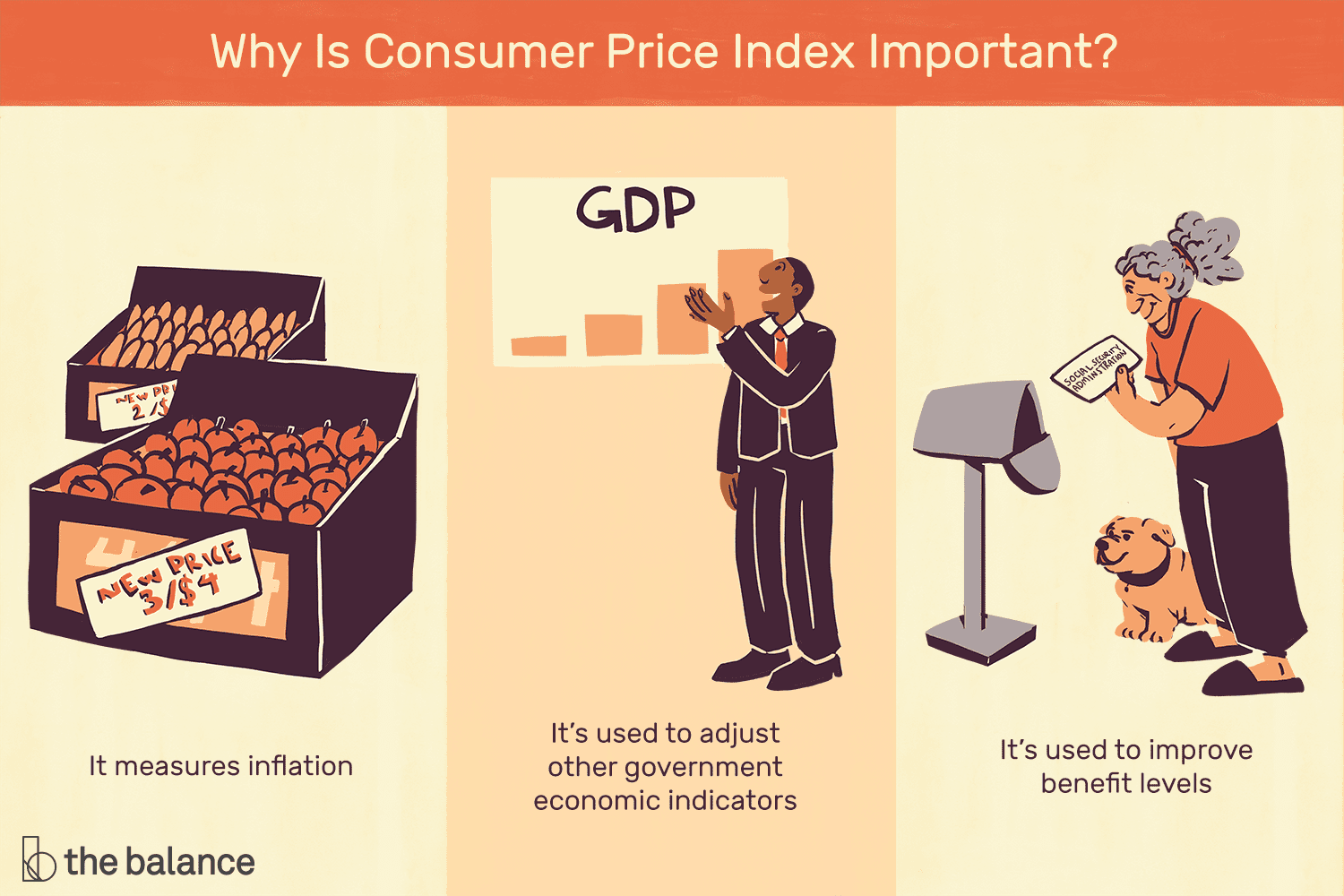
The concept of inflation has always had a mystifying effect on the average person, even those with knowledge of economics. Like taxes, inflation changes production and exchange rate pattern, distorts prices and transfers money from savers to borrowers, discourages savings and investment, and restricts economic activity. When faced with the possibility of inflation, many people are tempted to hoard up and protect their money in an attempt to avoid inflation.
of money. This statement is false because governments can tax individuals for example, to pay for infrastructure improvements. In the same way, a government can also increase the money supply by printing it out coins. When people start to spend more, they will create more money.
When inflation occurs, individuals and businesses will attempt to buy less from each other. The result is that a business can not operate at its full capacity or produce as much as it could without inflation. As the business slows down, prices rise.
Because inflation occurs so often, most people will be concerned about it. If inflation happens regularly, a business owner may become worried about the price level, demand for products, or cash flow. When the business owner’s financial position changes, he may be tempted to cut down production or reduce jobs. When a company experiences a decline in income, it can take longer for goods and services to be purchased from suppliers and other businesses.
One option to protect the economy from inflation is government intervention. By taxing high-priced items or purchasing them with lower-priced cash, the government can change the market price and prevent inflation. Since this does not happen quickly, it is a temporary solution.
Because inflation occurs because the free-market system is not perfect, it is inevitable. When prices are controlled, savings and investment become more stable. When economic activity decreases, the value of money declines and banks will have less money available to lend.
When the supply of money is increased, central banks can use this additional money to purchase more bonds, Treasury securities, treasury bills, and certificates of deposits to create money in order to offset the supply of money and stabilize the economy. Central banks can also purchase assets, such as treasury bills, to help them balance the market interest rates and the quantity of currency in circulation. In the long run, the banks make money by borrowing from the government and selling the same.
For small business owners, controlling the price of their products and services is important because it influences their bottom line. If the price level increases, their profit margin will decrease. If the price level increases, they have less cash in the bank to invest in inventory creation and operations, and if the price level decreases, they have no income to fund inventory creation and operations. Because the price level is affected by inflation, businesses must do what they can to keep the business going.
There are many ways businesses can control the level of inflation in the economy. They can change prices on goods and services, increase purchases, or lower spending. It is up to businesses to take action to counteract the effects of inflation.
A business owner may choose to buy goods and services at a lower price to get people to stay loyal to his business and buy more products and services. A business owner may choose to purchase more items with cash rather than using credit cards, or accept payments in cash. If the price of an item increases, a business owner can make it available at a lower price to offset the higher cost.
A business owner may opt to cut down on purchases of raw materials if the price level continues to increase. If the price of a product is increasing, a business owner may decide to use some of his or her savings to offset the cost. When the supply of goods and services are reduced, he or she may choose to increase supply.
If the business owner has the foresight and financial resources, he or she can take an action to reduce inflation. This may include cutting back on business expenses, buying less inventory and services, or increasing purchases of goods and services when the supply decreases. To prevent a recession, a business owner can take the long view and plan for a future that will allow him or her to save money and protect the economy from further deterioration.
Tag:#bandung, #belajar, #belajardirumah, #bhfyp, #covid, #dirumahaja, #education, #guru, #indonesia, #jakarta, #kampus, #kantor, #like, #mahasiswa, #pelajar, #pendidikan, #ppdb, #school, #sd, #sekolah, #sekolahan, #sekolahdasar, #sekolahislam, #siswa, #sma, #smk, #smp, #surabaya, #vira, belajar online, indonesia pintar, kecerdasan buatan, kuliah, kuliah terbaik di dunia