• BERANDA
  • TENTANG
    • Profil
    • Visi Misi Pusat Jurnal Ilmiah Internasional
    • Tugas Pokok dan Fungsi
    • Struktur Organisasi
  • BERITA KEGIATAN
  • LAYANAN DAN INFORMASI
    • Layanan Aplikasi
      • Webmail Sign In
      • Penjaminan Mutu UMA
      • Himpunan Aplikasi Online
      • Jurnal Ilmiah Dosen UMA
      • Jurnal Ilmiah Mahasiswa UMA
      • Repository UMA
      • Open Access Public Catalog
    • ARSIP digital
      • Daftar Nama Sitasi Dosen
  • Help Desk
  • Artikel
Pusat Jurnal Ilmiah Universitas Medan Area - Pusat Jurnal Ilmiah Terbaik di Sumatera Utara
    • BERANDA
    • TENTANG
      • Profil
      • Visi Misi Pusat Jurnal Ilmiah Internasional
      • Tugas Pokok dan Fungsi
      • Struktur Organisasi
    • BERITA KEGIATAN
    • LAYANAN DAN INFORMASI
      • Layanan Aplikasi
        • Webmail Sign In
        • Penjaminan Mutu UMA
        • Himpunan Aplikasi Online
        • Jurnal Ilmiah Dosen UMA
        • Jurnal Ilmiah Mahasiswa UMA
        • Repository UMA
        • Open Access Public Catalog
      • ARSIP digital
        • Daftar Nama Sitasi Dosen
    • Help Desk
    • Artikel

    News

    • Home
    • Blog
    • News
    • A Brief History of Rocket Engines
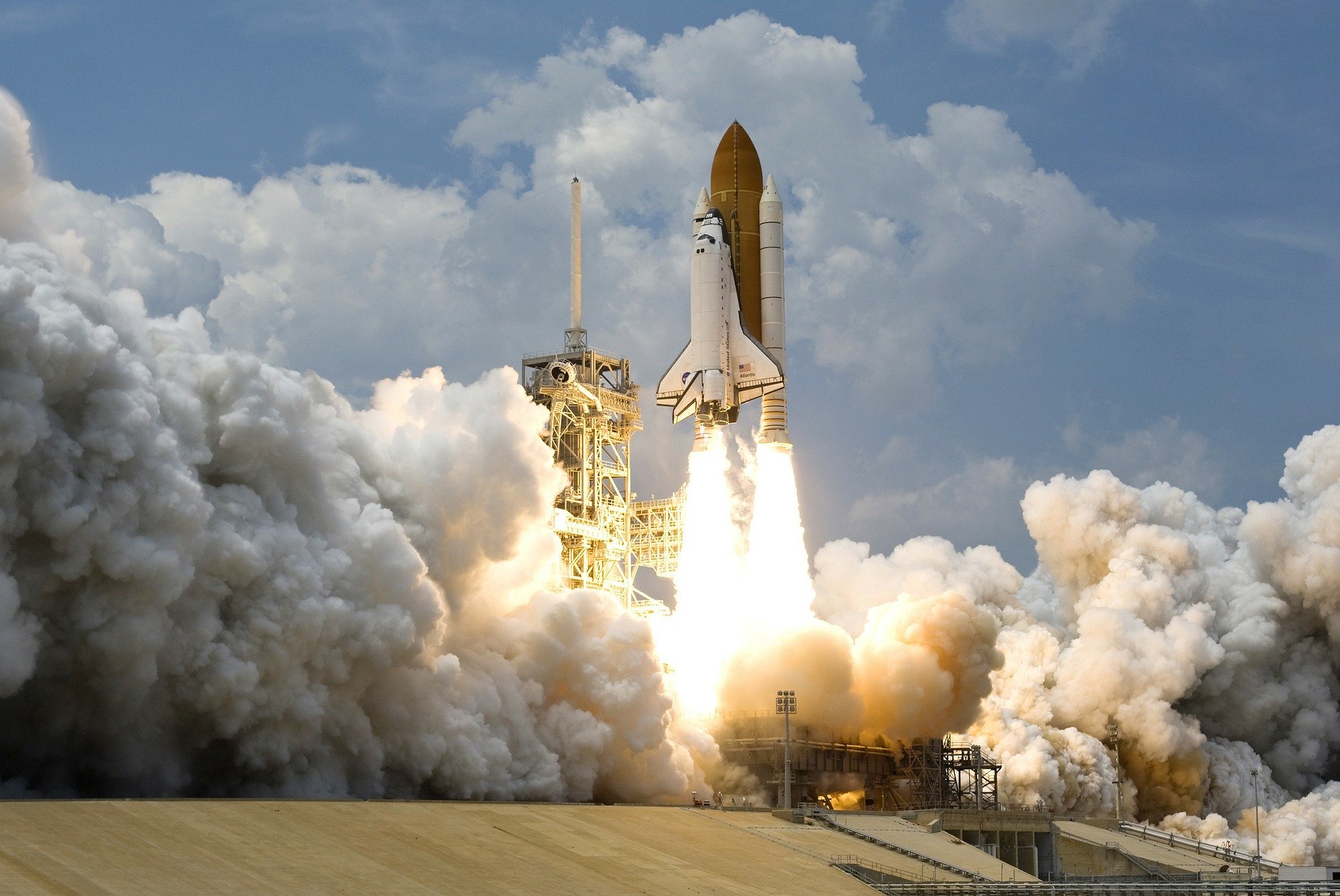
    A Brief History of Rocket Engines

    • Date April 6, 2021

    A Brief History of Rocket Engines,
    When you talk about the future of space exploration and the human spaceflight, you inevitably will mention the Rocket propulsion system as one of the technologies that will take human beings to the next step in the solar system and beyond. This particular technology will be used to allow for long-term manned space travel within the next half decade or so. Of course, we all know what the budget for NASA is right now. Many people do not realize that billions of dollars are allocated each year for the research and development of new technologies for sending people into space. A lot of this money comes from private sources, and much of it comes from the United States government.

    So, who are these people who are funding all of this? It is an interesting question and one that has been addressed by many authors and specialists in the field of aerospace engineering, but the main source of funds seems to be the United States government. As you might expect, they have a very specific reason for doing so.

    In order to understand why NASA would turn to Rocket propulsion as an alternative to chemical fuel rocket engine development, you have to understand how NASA does what it does. The primary mission of NASA is to explore space and to use its space programs to help us learn more about the entire universe. These programs include the space shuttle and the international space station. Without these expensive and time consuming programs, we would not be able to explore space for what it really is. We need to have the ability to launch heavy payloads into orbit, and we need them quickly.

    Rocket engine development allows us to do just that. One of the first uses of this technology was actually for the development of the space shuttles. The first one was introduced into service in February 1970, and it was an Atlas rocket. It was designed to support the experiments and research being done by NASA. Unfortunately, it was never used for the flight of the STS-1. Part of the problem was that the fuel adapter failed, and the engine simply ran out of fuel and needed to be restarted several times during the flight.

    Rocket engine development has also allowed us to use liquid oxygen and solid rocket fuel. These are much less expensive to develop because they are simpler, less complicated compounds. However, because we would not want to burn up the vehicle during reentry, we have developed solid fuel rocket technologies. The first of these was the Thermal Stage; this stage uses liquid oxygen and solid fuels such as solid rocket fuel. It was used on many launches, including the Saturn I and II vehicles.

    After this development, we moved onto the Stage I and Stage II boosters. The Stage I is quite simple, consisting of just an oxidizer. The purpose of this is for the engine to burn at maximum power for very short amounts of time. This kind of booster is extremely affordable, but it does not have much thrust. If we cannot get a rocket to LEO with this booster, then we will not be very successful with our exploration goals.

    The next type of booster we developed was the Stage III; this is used for longer range journeys. It is designed to fly to LEO and back. We would achieve this by using the various stages and engines. This is the most expensive of the rocket stages. The stage three, four, and five would bring us to the Moon. Each of the stages would use their own engine to propel us to the lunar surface and back.

    Rocket engine development has allowed us to reach new heights in space and explore the far reaches of the universe. Indeed we have almost reached Mars. Hopefully we will one day have the means to land on the Red Planet and use the boosters we have developed to help us get there.

    • Share:

    Artikel Sebelumnya

    Quitting Smoking Can Be Simple With These Easy Methods
    April 6, 2021

    Artikel Selanjutnya

    Modern Smartphones Compared With iPhone And Other Popular Mobile Phone Models
    April 7, 2021

    Leave A Reply

    You must be logged in to post a comment.

    KAITAN UMA

    Penjaminan Mutu Universitas Medan Area - Universitas terbaik menerapkan kampus digital dengan mendukung program kampus merdeka menjadi PTS favorit di sumut.
    Himpunan Aplikasi Online Universitas Medan area - Universitas terbaik menerapkan kampus digital dengan mendukung program kampus merdeka menjadi PTS favorit di sumut.
    Jurnal Imiah Dosen Universitas Medan Area - Universitas terbaik menerapkan kampus digital dengan mendukung program kampus merdeka menjadi PTS favorit di sumut.
    Database Jurnal Mahasiswa Universitas Medan Area - Universitas terbaik menerapkan kampus digital dengan mendukung program kampus merdeka menjadi PTS favorit di sumut.
    Repository Universitas Medan Area - Universitas terbaik menerapkan kampus digital dengan mendukung program kampus merdeka menjadi PTS favorit di sumut.
    OPAC (Open Access Public Catalog) Digital library Universitas Medan Area - Universitas terbaik menerapkan kampus digital dengan mendukung program kampus merdeka menjadi PTS favorit di sumut.

    INSTAGRAM PJII UMA

    MEDIA KAMPUS

    Universitas Medan Area - Universitas terbaik menerapkan kampus digital dengan mendukung program kampus merdeka menjadi PTS favorit di sumut. Green Metric

    Universitas Medan Area - Universitas terbaik menerapkan kampus digital dengan mendukung program kampus merdeka menjadi PTS favorit di sumut. Green Metric

    Universitas Medan Area - Universitas terbaik menerapkan kampus digital dengan mendukung program kampus merdeka menjadi PTS favorit di sumut. PTS-Sehat

    Universitas Medan Area - Universitas terbaik menerapkan kampus digital dengan mendukung program kampus merdeka menjadi PTS favorit di sumut. PTS-Sehat

    logo-lke-uma

    0811-6121-412

    [email protected]

    Kampus I

    Jalan Kolam Nomor 1 Medan Estate / Jalan Gedung PBSI, Medan 20223
    (061) 7360168. CALL CENTER : 0811-6013-888 Whatsapp
    Fax : (061) 7368012
    [email protected]

    Kampus II

    Jalan Sei Serayu No. 70 A / Jalan Setia Budi No. 79 B, Medan 20112
    (061) 42402994
    Fax : (061) 8226331
    [email protected]

    © Copyright 2026 Pusat Jurnal Ilmiah Internasional | Universitas Medan Area.

    Penerimaan Mahasiswa Baru Tahun Ajaran 2025/2026